
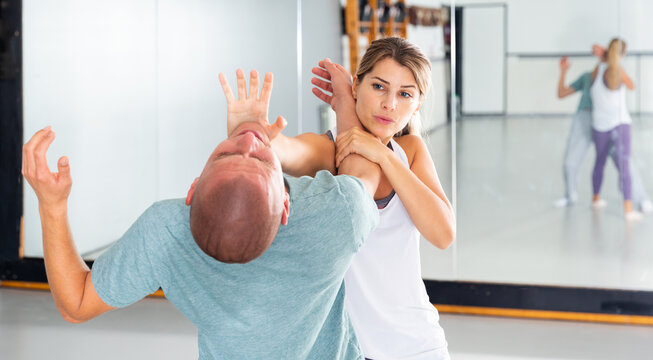
When you think of “self-defense,” what comes to mind? Likely images of blocking kicks, throwing punches, and disarming attackers. While physical skills are part of it, they are the last resort, not the first. The true foundation of your safety isn’t found in a dojo; it’s cultivated in your mind.
As the saying goes, “The real self-defense starts with self-awareness. The most powerful block is avoiding the punch altogether. Stay aware, stay safe.”
From now, we want to break down what self defense truly means, especially if you’re just starting your journey.
What is Self-Awareness in Self-Defense?
Self-awareness is your internal and external early-warning system. It’s the skill that helps you see trouble coming long before you ever need to throw a punch. It has three key pillars:
- Environmental Awareness (Knowing Your Surroundings)
This is the most practical layer.It’s about pulling your attention out of your phone and into the world around you.
· How to Practice:
· The 360-Degree Scan: Make a habit of casually observing your environment. Notice who is walking near you, any parked cars with people inside, and potential exit routes.
· Identify Potential Hazards: Is that a poorly lit alley a shortcut you really need to take? Is there a loud, agitated group up ahead? Awareness allows you to make the smart choice before you’re in the middle of a problem.
· The “Head on a Swivel”: Avoid the “target” posture—head down, headphones in, completely absorbed in your screen. Project confidence by being alert.
- Intuition Awareness (Trusting Your Gut)
Your subconscious mind is a powerful supercomputer that processes subtle cues—body language,micro-expressions, patterns that seem “off”—long before your conscious mind can put it into words. That feeling of unease, that “gut instinct,” is your brain screaming, “Pay attention!”
· How to Practice:
· Acknowledge the Feeling: When you get that “weird vibe” from a person or situation, don’t dismiss it. Your mission is safety, not politeness.
· Act Without Hesitation: If your gut tells you to cross the street, turn around, or leave a party, do it. You don’t need a logical reason to justify prioritizing your safety.
- Internal Awareness (Knowing Your Personal “Software”)
How doyou react under stress? Do you freeze? Do your hands shake? Does your mind go blank? Understanding your own fear response is critical because you can’t manage what you don’t recognize.
· How to Practice:
· Self-Reflection: Think about past stressful situations. How did you react?
· Stress Inoculation: In a safe environment (like a self-defense class), practice simulated stress. This helps you familiarize yourself with the adrenaline rush—the tunnel vision, the increased heart rate—so it’s less overwhelming in a real scenario.
Why This is Your Most Powerful Tool
Prevention is the ultimate goal. A predator, like any hunter, is looking for the easiest target. By being aware, you:
· Become a “Hardened Target”: You project an aura of confidence and alertness that makes you a less appealing victim.
· See the Threat Early: You spot the potential danger from 100 yards away and simply choose a different path. This isn’t fear; it’s strategic intelligence.
· Save Your Physical Skills for When They’re Truly Needed: The “most powerful block” is the one you never have to throw because you saw the punch coming and stepped out of the way.
Your Action Plan: Start Today
You don’t need a black belt to start practicing this. Begin building these habits right now:
- The “When I Walk” Rule: Every time you walk to your car, into a store, or through a parking lot, make a conscious effort to observe three things about your environment.
- Phone Down, Head Up: In transitional spaces (parking garages, train stations, etc.), keep your phone in your pocket and your senses engaged.
- Validate Your Gut: The next time you have a negative gut feeling about a situation, honor it. Note what happened. Did you avoid a problem? That’s a win.
The Journey Ahead
When you do decide to learn physical self-defense, you’ll find that a good instructor will teach you this exact same philosophy. The punches, the blocks, the escapes—they are your final backup plan, the tools you use when all your layers of awareness have failed.
So, start your training today, right where you are. Build your awareness. It’s the one skill you will use every single day to keep yourself safe.
Stay aware, stay safe.